30-Minute Korean Beef Bowls are saucyBest 30-Minute
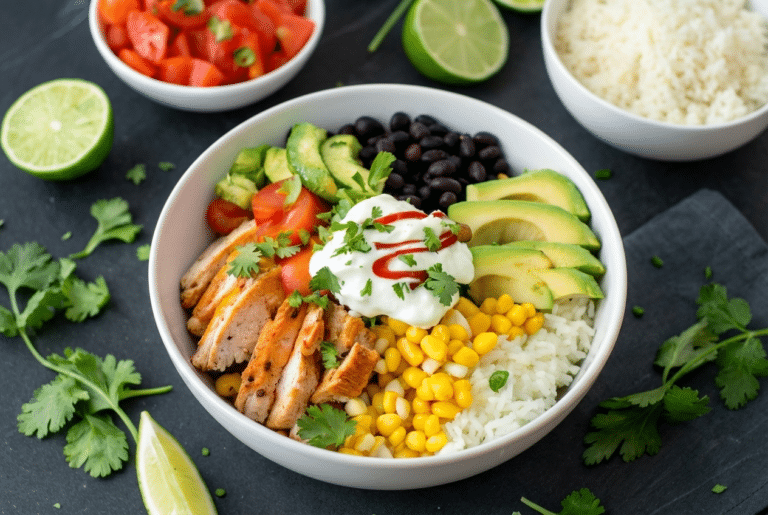
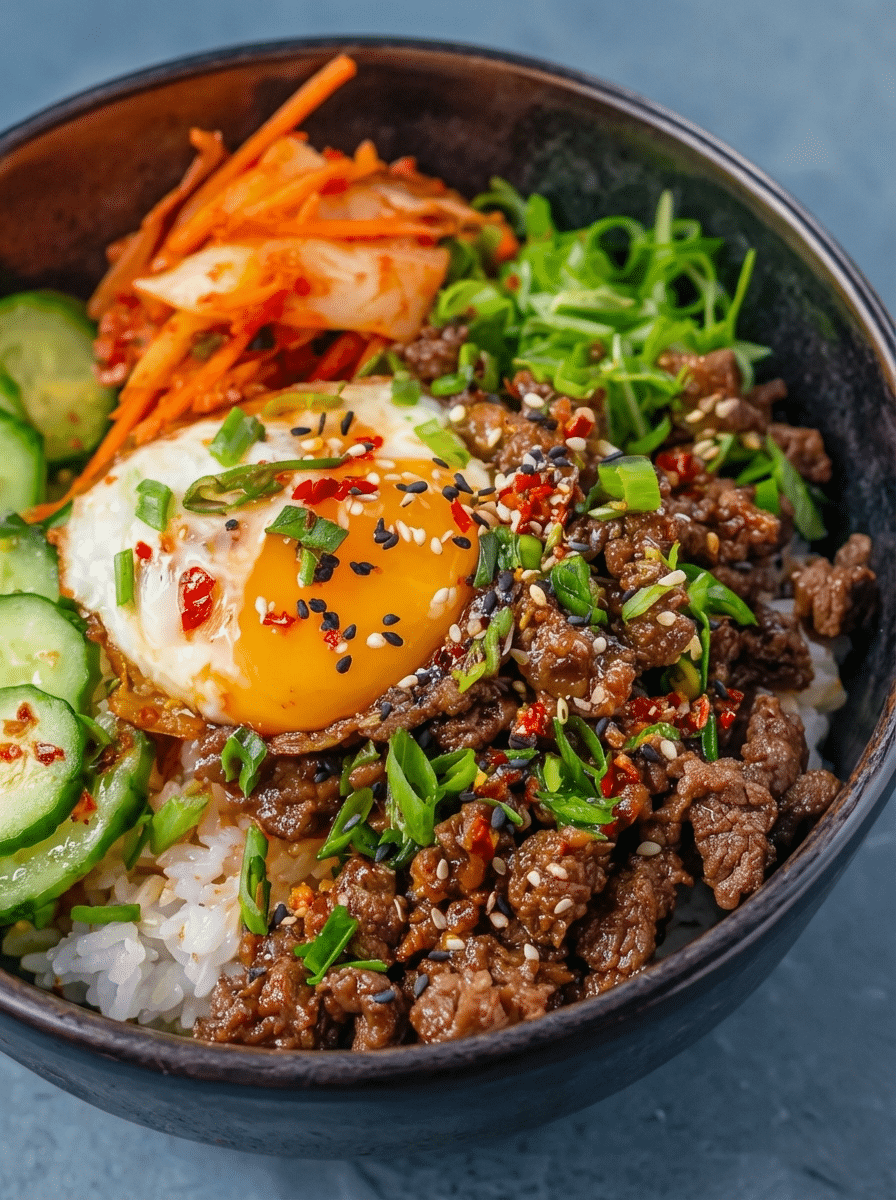
If you’ve ever craved the bold, sticky-savory flavors of Korean BBQ but didn’t want to spend all evening in the kitchen, these 30-Minute Korean Beef Bowls are about to become your most-cooked weeknight dinner. Ground beef caramelizes in a gochujang-soy glaze that’s simultaneously sweet, savory, and just spicy enough, then gets piled over fluffy steamed rice with crisp vegetables and a drizzle of spicy mayo. It tastes like it took hours. It takes thirty minutes.
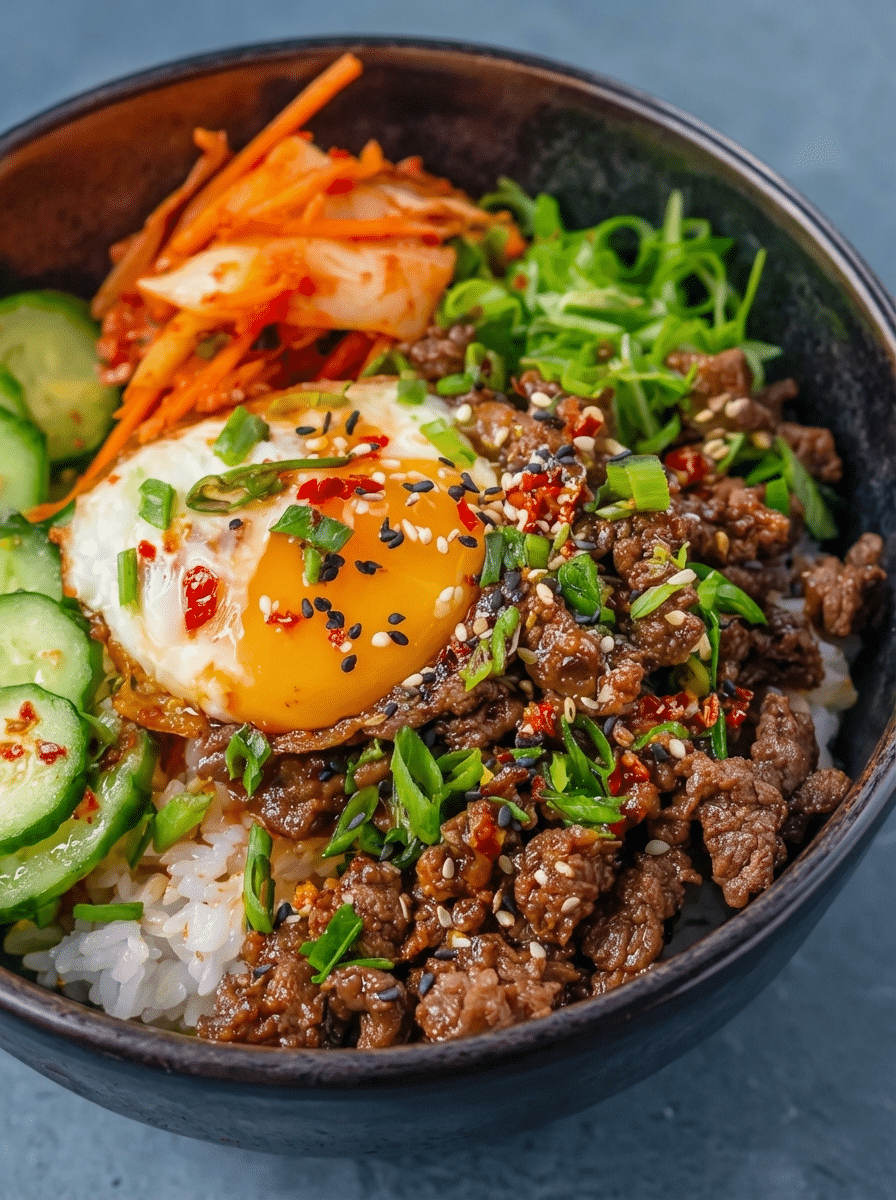
The magic of this recipe is in the sauce. A quick whisk of soy sauce, gochujang, brown sugar, sesame oil, and rice wine vinegar creates a glossy, deeply flavored glaze that clings to every crumble of beef. Add fresh garlic and grated ginger and you have the kind of umami-layered depth that most recipes spend hours building — in under ten minutes of active cooking. According to the World Health Organization’s healthy diet guidelines, building meals around lean proteins, whole grains, and fresh vegetables is one of the most evidence-backed strategies for long-term health — and these bowls deliver exactly that.
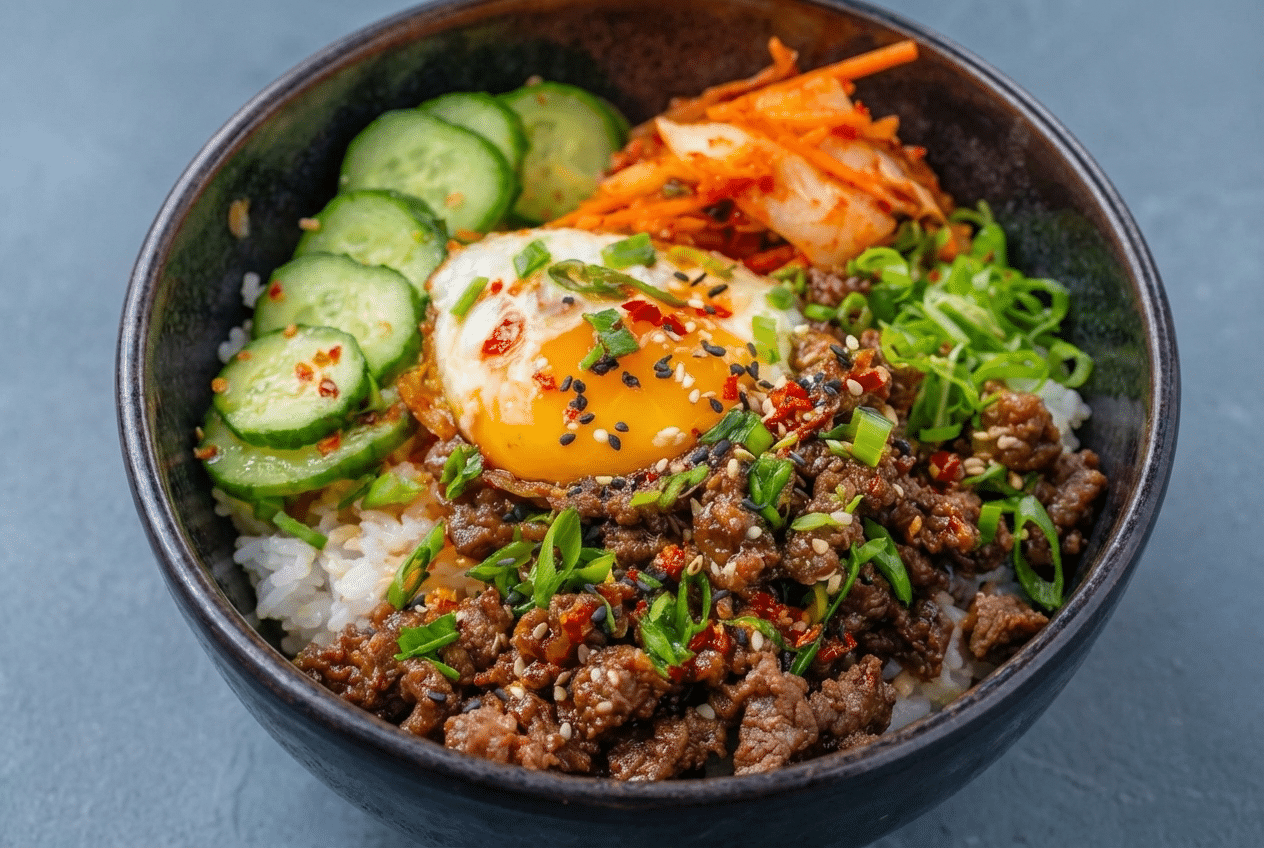
What really sets these 30-Minute Korean Beef Bowls apart from other quick dinners is how deeply customizable they are. Build your bowl with whatever vegetables are in your fridge — shredded cabbage, julienned carrots, thinly sliced cucumber, sautéed zucchini, or all of the above. Top with a fried egg for extra richness. Add kimchi for probiotic funk. The base recipe is a blueprint; the toppings are yours to own. If you’re looking for inspiration on rounding out your bowl with smart vegetable pairings, our guide on easy stir-fry vegetables for weeknight dinners covers exactly which veggies cook fastest and taste best alongside bold Asian-inspired sauces.
Why 30-Minute Korean Beef Bowls Work So Well
This recipe isn’t just fast — it’s engineered for flavor. Every element has a purpose, and understanding why makes you a better cook.
Ground beef is the workhorse of quick weeknight cooking because it browns fast, absorbs flavors deeply, and costs significantly less per pound than steak. But the real secret to extraordinary 30-Minute Korean Beef Bowls isn’t the protein — it’s the sauce architecture. Gochujang brings fermented depth and slow heat. Brown sugar provides caramelization and counterbalances the salt. Sesame oil adds a nutty, aromatic finish that ties the entire bowl together. According to the Harvard T.H. Chan School of Public Health’s Healthy Eating Plate, a well-constructed bowl meal — lean protein, whole grains, and plenty of vegetables — represents one of the most nutritionally complete meal formats you can build. These bowls fit that model naturally.
The technique matters too. Browning the beef in a hot skillet without crowding it creates the Maillard reaction — the same caramelization that makes steakhouses smell incredible. Drain the fat, add aromatics, pour in the sauce, and reduce briefly. That’s it. The entire process from cold skillet to finished bowl takes twenty to twenty-five minutes of cooking time. For more ideas on building Korean-inspired flavors into quick meals, our roundup of easy Korean-inspired dinner recipes has fifteen crowd-tested options to explore alongside these beef bowls.
⚡ 30-Minute Korean Beef Bowls — At a Glance
- Ready in 30 minutes — 10 min prep, 20 min cook
- One skillet — minimal cleanup, maximum flavor
- Bold Korean-inspired sauce — gochujang, soy, sesame, brown sugar
- Meal-prep friendly — beef keeps for 4 days refrigerated
- Completely customizable toppings — use whatever’s in your fridge
- ~485 calories per bowl with 32g protein per serving
- Budget-friendly — under $4 per serving with pantry staples
The Recipe: 30-Minute Korean Beef Bowls
This is the recipe that makes the meal. Everything below — the tips, the variations, the supporting dishes — exists to help you make this centerpiece as well as it can possibly be made. Start here.
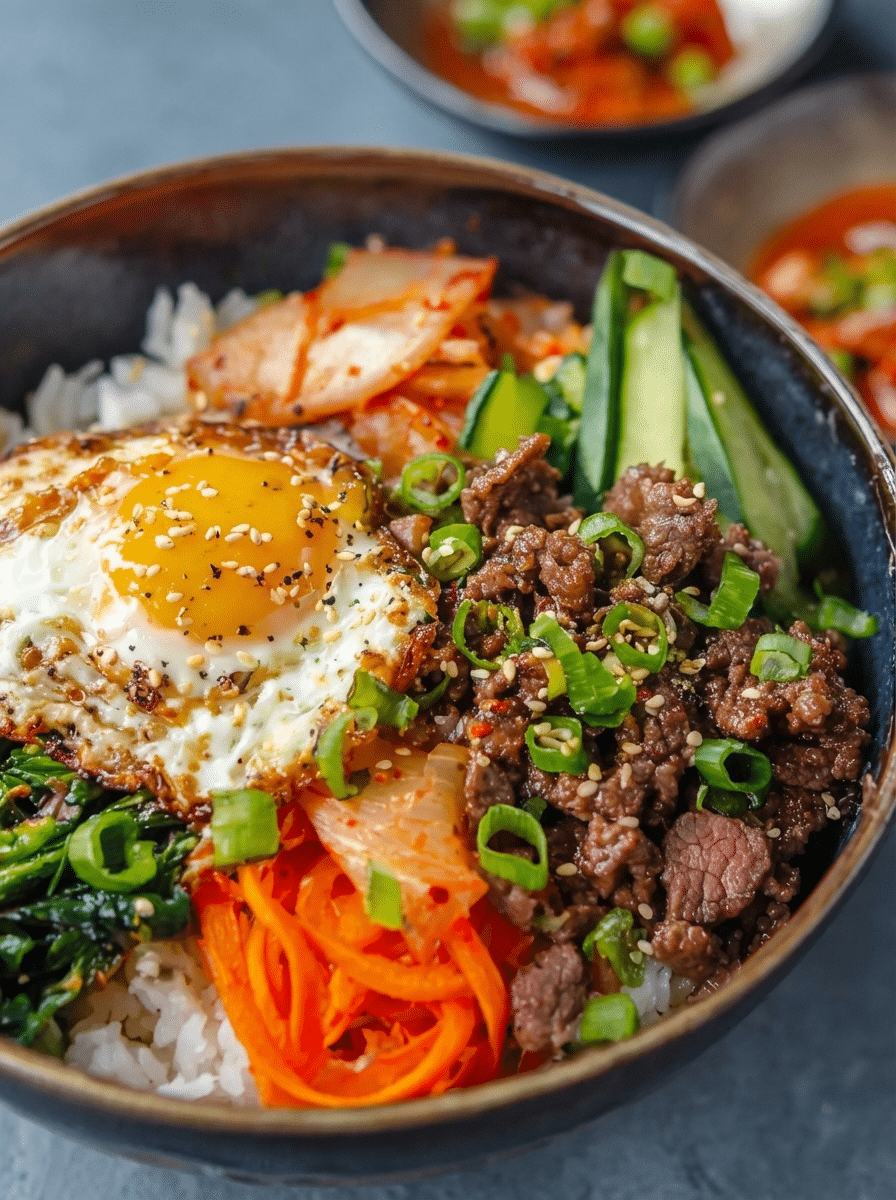
30-Minute Korean Beef Bowls
Ingredients
- ¼ cup low-sodium soy sauce
- 2 tbsp gochujang (Korean chili paste) — adjust to heat preference
- 2 tbsp brown sugar, packed
- 1 tbsp toasted sesame oil
- 1 tbsp rice wine vinegar — or dry sherry
- 1 tsp cornstarch — for sauce gloss
- 1 lb lean ground beef (85/15 or 90/10)
- 2 tsp vegetable oil or avocado oil
- 4 garlic cloves, minced
- 1 tbsp fresh ginger, finely grated
- ¼ tsp cracked black pepper
- 3 cups cooked jasmine rice — about 1 cup dry, prepared per package
- 3 green onions, thinly sliced
- 1 tsp toasted sesame seeds
- ½ English cucumber, thinly sliced
- 1 cup shredded carrots
- ½ cup kimchi — optional but recommended
- 3 tbsp mayonnaise
- 1½ tsp sriracha or gochujang
- 1 tsp rice vinegar — to thin the mayo
Instructions
-
1Mix the sauce. In a small bowl, whisk together the soy sauce, gochujang, brown sugar, sesame oil, rice wine vinegar, and cornstarch until the sugar and cornstarch are fully dissolved. Set aside — this takes 90 seconds and is the most important step.
-
2Start the rice. If you haven’t already, get your rice going now. Jasmine rice in a rice cooker or on the stovetop takes 18–20 minutes — it should finish at the same time as the beef.
-
3Brown the beef. Heat oil in a large skillet or wok over medium-high heat until shimmering. Add the ground beef in a single layer — don’t break it up yet. Let it sear undisturbed for 90 seconds until deeply browned on one side, then break it apart and cook through, 3–4 more minutes. Drain excess fat, leaving about 1 tablespoon in the pan.
-
4Add aromatics. Push the beef to one side. Add the minced garlic and grated ginger directly to the cleared side of the pan. Cook 60 seconds, stirring constantly, until golden and fragrant — watch it carefully, garlic burns fast at this heat.
-
5Glaze with the sauce. Pour the prepared sauce over the beef and aromatics. Stir to coat everything evenly. Let it simmer 2–3 minutes, stirring occasionally, until the sauce thickens into a glossy glaze that clings to each crumble of beef. The pan should look almost dry — that’s perfect.
-
6Make the spicy mayo. While the beef simmers, stir together the mayonnaise, sriracha, and rice vinegar in a small bowl. Adjust heat level to taste. Transfer to a squeeze bottle or small spoon for drizzling.
-
7Build the bowls. Divide rice among four bowls. Spoon generous portions of the glazed beef over the rice. Arrange cucumber slices, shredded carrots, and kimchi around the beef. Drizzle spicy mayo over everything.
-
8Garnish and serve immediately. Finish with sliced green onions and a scattering of toasted sesame seeds. Serve hot — the contrast between the warm glazed beef and cool crisp vegetables is half the appeal of these bowls.
Nutrition Per Serving
* Nutrition estimates based on 85/15 ground beef with jasmine rice and standard toppings. Values will vary based on ingredient brands and portion sizes.
Chef Julia’s Pro Tips for the Best 30-Minute Korean Beef Bowls
Use High Heat to Brown, Not Steam
The single biggest mistake people make is using medium heat and crowding the beef. Use high heat, don’t touch it for 90 seconds, and you’ll get that restaurant-level caramelization.
Fresh Garlic and Ginger — Non-Negotiable
Garlic powder and ground ginger produce a flat, dull result. Fresh aromatics create a live, layered flavor that the sauce amplifies. It’s worth the extra 2 minutes of prep.
Gochujang Level Is Personal
Start with 1½ tablespoons if you’re spice-sensitive and build up. The brown sugar tames a lot of the heat, but gochujang varies by brand. Taste before you commit.
Day-Old Rice Is Better
Freshly cooked rice can be sticky and clump. If you’re meal prepping, day-old refrigerated rice reheats in seconds and has the perfect separate-grain texture for these bowls.
Cold Toppings Are the Contrast
The magic of these bowls is temperature contrast. Serve your cucumbers and carrots cold and crisp against the hot beef. Don’t pre-warm your toppings — that kills the balance.
Cornstarch Makes the Sauce Cling
That single teaspoon of cornstarch in the sauce is what creates a glossy, restaurant-quality glaze instead of a watery liquid. Don’t skip it — it’s doing more work than you’d think.
Common Mistakes When Making Korean Beef Bowls
-
✗Using too-lean beef (99% lean)✓ FIX: You need at least 85/15 fat ratio. The fat carries flavor and prevents the beef from drying out in the sauce. Too lean = dry, crumbly, flavorless.
-
✗Adding the sauce before draining the fat✓ FIX: A greasy pool of fat dilutes the sauce and prevents it from reducing properly. Drain, leave just a tablespoon, then add aromatics and sauce.
-
✗Burning the garlic✓ FIX: After draining fat, the pan is screaming hot. Push the beef aside and stir garlic constantly for exactly 60 seconds on the first addition. Any longer and it will turn bitter.
-
✗Not reducing the sauce long enough✓ FIX: The sauce needs 2–3 minutes of simmering to reduce, thicken, and cling to the beef. If you pour and serve immediately, the bowl will be soupy.
-
✗Substituting ground ginger for fresh✓ FIX: Dried ground ginger has a completely different flavor profile — dusty, less bright, less aromatic. For authentic Korean-inspired flavor, fresh ginger is essential.
-
✗Skipping the spicy mayo✓ FIX: The spicy mayo isn’t a garnish — it’s a sauce layer. It adds creamy richness, extra heat, and acidity that makes the whole bowl sing. It takes 45 seconds to make.
14 More Dishes to Serve Alongside 30-Minute Korean Beef Bowls
Transform your Korean beef bowl dinner into a full spread, or build a meal prep week around these complementary recipes grouped by category.
According to the USDA’s dietary guidelines, balanced plate construction — combining lean proteins, whole grains, and a variety of vegetables — forms the nutritional foundation of every healthy diet. These supporting dishes are built on exactly that model, and every one of them pairs beautifully with the bold flavors in your 30-Minute Korean Beef Bowls.
Quick Vegetable Sides
Toss thinly sliced cucumbers with rice vinegar, sesame oil, gochugaru (Korean red pepper flakes), garlic, sugar, and salt. Let sit 10 minutes. These bright, spicy-tangy cucumbers are the ideal acidic counterpoint to the rich beef and make the entire bowl feel fresher. They keep refrigerated for 3 days.
Blanch baby spinach for 30 seconds, shock in cold water, and squeeze completely dry. Toss with sesame oil, soy sauce, minced garlic, toasted sesame seeds, and a pinch of sugar. This classic Korean banchan (side dish) adds nutritional density and a nutty depth to every bowl build.
Toss broccoli florets with gochujang thinned with sesame oil, soy sauce, and a splash of honey. Roast at 425°F for 18–20 minutes until the edges char slightly. The caramelized gochujang glaze mirrors the sauce on the beef and makes the broccoli the most popular vegetable on the table.
Rice & Grain Alternatives
Pulse cauliflower florets in a food processor until rice-sized. Sauté in sesame oil over medium-high heat for 5–6 minutes until the excess moisture evaporates and the edges turn golden. Season with soy sauce and black pepper. Cuts carbohydrates from 48g per bowl to under 15g with no flavor sacrifice.
Cook brown rice in broth instead of water for added savoriness. Finish with a teaspoon of toasted sesame oil and a sprinkle of sesame seeds stirred through. Brown rice adds 3g additional fiber per bowl and a nuttier, more complex flavor that stands up to the bold beef sauce beautifully.
Protein Add-Ons & Variations
A fried egg with a runny yolk is the single most impactful upgrade you can make to any 30-Minute Korean Beef Bowl. Cook in sesame oil for extra aroma, serve sunny-side up so the yolk breaks when the bowl is mixed, and watch it transform from dinner to something indulgent. The broken yolk becomes a secondary sauce.
Toss large shrimp with sesame oil, garlic, soy sauce, and a squeeze of lime. Sear in a hot skillet for 90 seconds per side. Add to your bowl alongside or instead of the beef for a lighter, seafood-forward version. Shrimp and the Korean sauce are a natural pairing and add 18g additional protein per serving.
Press firm tofu dry, cut into cubes, and pan-fry until golden on all sides. Glaze with the exact same gochujang-soy sauce from the beef recipe — it works identically with tofu. This is the simplest swap for a vegetarian version of your 30-Minute Korean Beef Bowls that loses nothing in terms of flavor complexity.
Soups & Starters
Simmer doenjang (fermented soybean paste), zucchini, tofu, mushrooms, onion, and garlic in anchovy broth for 15 minutes. This deeply savory, funky soup is the classic Korean companion to rice bowls — it balances the sweetness of the beef sauce and adds a warming, probiotic-rich element to the meal.
Mix flour, water, egg, soy sauce, and sliced green onions into a loose batter. Pour into a hot oiled skillet and press flat. Cook 3 minutes per side until golden and crispy. These savory pancakes are the ideal starter for a Korean beef bowl dinner, and the green onion flavor bridges perfectly to the bowl garnish.
Sauce & Ferment Companions
Thinly slice a red onion and submerge in a mixture of rice vinegar, water, sugar, and salt. Let sit 20 minutes at room temperature — they’ll turn bright pink and lose their raw bite. These sharp, jewel-colored pickles add acidic brightness and visual drama to any bowl, including your Korean beef bowls.
Quick kimchi doesn’t ferment traditionally but captures most of the flavor: toss napa cabbage with gochugaru, fish sauce, garlic, ginger, scallions, and rice vinegar. Refrigerate overnight. By day two it has the tangy, funky character that bought kimchi can’t always deliver, and it stores beautifully for two weeks.
Whisk gochujang with rice vinegar, sesame oil, garlic, honey, and a splash of water. This versatile sauce doubles as a bowl drizzle, dipping sauce for pancakes, or marinade for vegetables. Make a double batch — it keeps refrigerated for two weeks and improves everything it touches.
Cook soba or ramen noodles and toss with peanut butter, soy sauce, sesame oil, rice vinegar, ginger, garlic, and chili oil. Serve cold or at room temperature. These noodles serve as a carb-rich complement for hungrier guests and their peanut sesame flavors harmonize with the Korean beef sauce beautifully. For your meal prep week, our guide to ground beef meal prep recipes that save your week shows how to batch this beef alongside five other proteins for maximum variety with minimal effort.
Variations & Substitutions for 30-Minute Korean Beef Bowls
🌱 Vegetarian / Vegan
Replace ground beef with crumbled firm tofu, lentils, or finely chopped mushrooms (cremini and shiitake mixed). The sauce is naturally vegan if you swap fish sauce for soy sauce in any add-ons.
🥗 Lower-Carb / Keto
Swap jasmine rice for cauliflower rice. Reduce brown sugar to 1 teaspoon or use monk fruit sweetener. Each serving drops to under 15g net carbs with no flavor compromise.
🌾 Gluten-Free
Use tamari instead of regular soy sauce and verify your gochujang brand is gluten-free (many are). All other ingredients are naturally GF.
🌶️ Extra Spicy
Double the gochujang to 4 tablespoons, add 1 teaspoon gochugaru (Korean chili flakes), and finish with a drizzle of chili crisp oil. For the spice-obsessed only.
🍗 Chicken or Turkey
Ground chicken or ground turkey work identically. Use 90/10 lean-to-fat ratio to keep moisture. The sauce flavors are designed to complement any ground protein.
🍖 Bulgogi-Style (Sliced Beef)
For a more traditional approach, use thinly sliced ribeye or flank steak marinated in the same sauce for 30 minutes. Cook in batches in a scorching hot pan — 60 seconds per side maximum.
Storage & Reheating Your 30-Minute Korean Beef Bowls
The glazed beef keeps exceptionally well. Transfer cooled beef to an airtight container and refrigerate for up to 4 days. Store rice and toppings separately — keeping them apart prevents the rice from absorbing the beef’s moisture and the vegetables from wilting.
For reheating, the stovetop is best: add the beef to a skillet with a splash of water or broth over medium heat, cover, and heat for 3–4 minutes until hot throughout. The moisture rehydrates the sauce and restores the glaze. Microwave reheating works in a pinch — 90 seconds covered at 80% power — but the stovetop delivers a noticeably better result.
The beef also freezes beautifully for up to 3 months. Freeze in individual portions in zip-lock bags, pressing flat so they stack efficiently. Thaw overnight in the refrigerator and reheat per stovetop method above. This makes 30-Minute Korean Beef Bowls one of the best candidates for freezer meal prep in your entire recipe library.
🥢 Make-Ahead Timeline for Stress-Free Weeknight Bowls
Sunday prep (30 minutes): Make a double batch of beef (scales perfectly). Cook a large pot of rice. Prep all vegetables and store in separate containers.
Monday–Thursday evenings: Reheat beef (3 min). Microwave rice (90 sec). Arrange toppings cold. Dinner on the table in 5 minutes flat.
Day 4: Freeze remaining beef if not using — it tastes identical after thawing.
Serving Suggestions
These bowls are a complete meal on their own, but building a table spread transforms dinner into an event. Set out the glazed beef in a large serving bowl at the center of the table, surrounded by smaller bowls of individual toppings: sliced cucumbers, shredded carrots, kimchi, sesame seeds, green onions, and the spicy mayo in a squeeze bottle. Let everyone build their own bowl — the customizable format is especially popular with families and mixed dietary needs.
For an elevated dinner party presentation, serve the beef over individual portions of rice in wide, shallow bowls. Arrange toppings in quadrants — one section each of cucumber, carrots, kimchi, and a small bundle of spinach namul — so the bowl looks composed and intentional. Crack a fried egg in the center. The visual impact is striking enough to photograph before eating.
A light cucumber salad or miso soup served alongside rounds the meal out beautifully. For beverages, cold barley tea (boricha) is the traditional Korean pairing — it cleanses the palate between bites and has a toasty, mild flavor that doesn’t compete with the bold beef. Sparkling water with a squeeze of yuzu or lime also works beautifully.
Nutrition Information
The following estimates reflect one complete bowl: glazed beef, rice, cucumber, carrots, and spicy mayo. Kimchi and a fried egg are noted separately as they are optional additions.
| Nutrient | Per Serving | % Daily Value |
|---|---|---|
| Protein | 32g | 64% |
| Calories | 485 kcal | 24% |
| Total Fat | 18g | 23% |
| Saturated Fat | 5g | 25% |
| Total Carbohydrates | 48g | 17% |
| Dietary Fiber | 3g | 11% |
| Total Sugars | 9g | — |
| Sodium | 860mg | 37% |
| Iron | 3.8mg | 21% |
| Zinc | 6.2mg | 56% |
| Vitamin C | 14mg | 16% |
| Potassium | 580mg | 12% |
*Estimates calculated using USDA FoodData Central. Values vary based on exact ingredient brands, portion sizes, and optional toppings chosen.
Frequently Asked Questions About 30-Minute Korean Beef Bowls

Your New Favorite Weeknight Bowl
These 30-Minute Korean Beef Bowls aren’t a compromise between speed and flavor — they’re proof that you don’t have to choose. One skillet, one sauce, thirty minutes, and you’re sitting down to a dinner that’s richer, bolder, and more satisfying than most things you’d wait forty-five minutes for delivery to bring. Make it once this week, double the batch on Sunday, and watch it become the most-requested meal in your house.