Spring Chicken Stir Fry with Snap Peas (Fresh, Healthy & Ready in 25 Minutes)
Spring Chicken Stir Fry with Snap Peas
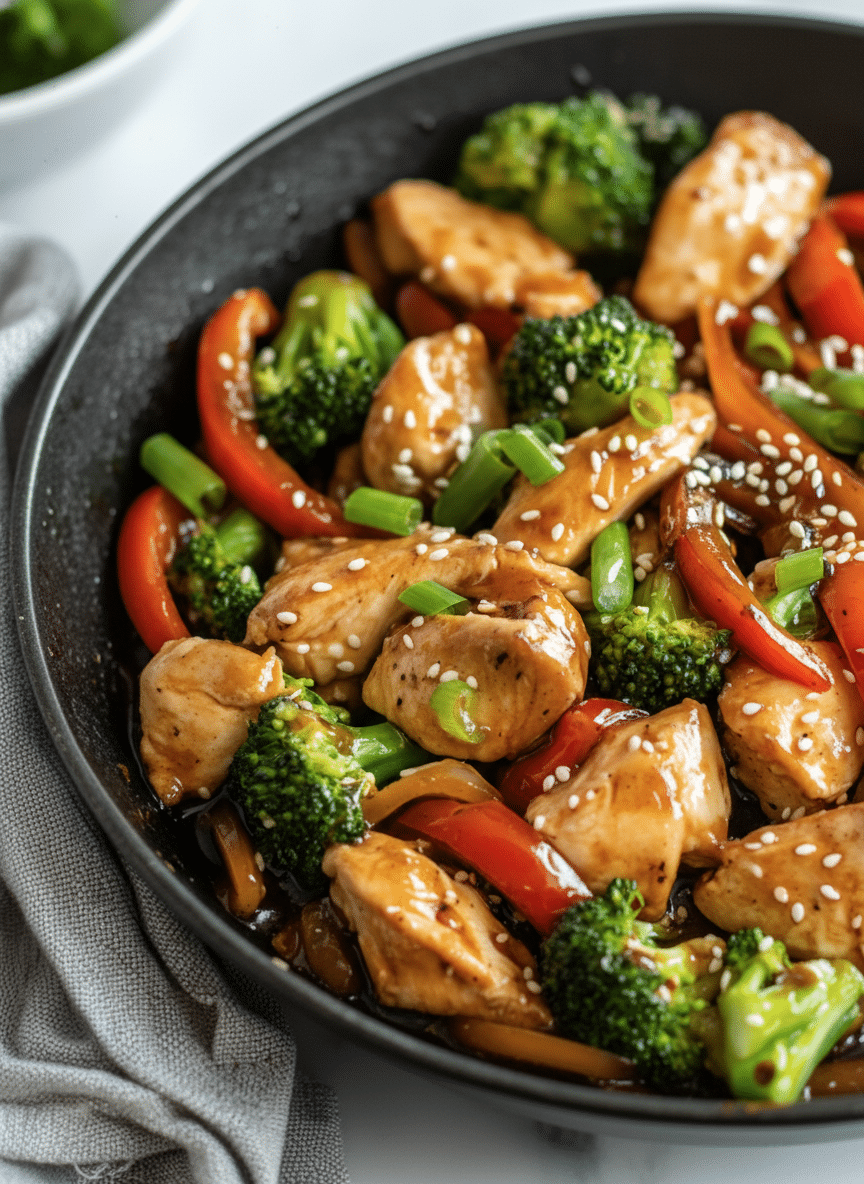
The Spring Chicken Stir Fry with Snap Peas is a weeknight dinner that earns permanent rotation status after the very first bite. It’s built on the three things a great stir fry demands: high heat, layered aromatics, and a sauce that clings. Tender strips of marinated chicken meet crisp sugar snap peas in a garlicky, ginger-forward sauce finished with a splash of rice vinegar and a drizzle of sesame oil. The result is a dish that tastes like it came from a restaurant wok but comes together in your kitchen in 25 minutes, with one pan and a handful of pantry staples. Spring snap peas are at their sweetest and crunchiest right now — this is the exact moment to make this dish.
The magic of a great Spring Chicken Stir Fry with Snap Peas is in the timing. Stir frying is one of the few cooking methods where every second counts: the chicken needs to sear, not steam; the snap peas need to stay brilliantly green and snappy, not collapse into mush; and the sauce needs to coat every piece with that glossy, restaurant-quality finish. The solution is a technique called velveting — a quick cornstarch marinade that creates a silky, tender coating on the chicken before it ever touches the hot pan. Combined with the right wok or skillet temperature, it’s the difference between a good stir fry and an extraordinary one.
According to the World Health Organization’s healthy diet guidelines, meals that combine lean protein with fiber-rich vegetables eaten as part of daily variety support long-term health. This stir fry hits both markers with 38g of protein and 4g of fiber per serving — a genuinely nutritious meal that also happens to be one of the best-tasting things you can make on a Tuesday. If you enjoy building a full spring dinner spread, our Spring Chicken Recipes collection covers everything from light soups to grilled mains that pair beautifully with this stir fry on the side.
Why This Spring Chicken Stir Fry with Snap Peas Works Every Time
Every element of this stir fry earns its place — not just for flavor, but for the specific textural and technical role it plays in creating a dish that genuinely tastes restaurant-quality at home.
The first key is velveting. Before the chicken strips ever hit the pan, they’re tossed with cornstarch, soy sauce, and a small amount of sesame oil and left to marinate for just 10 minutes. That cornstarch coating creates a thin protective layer that seals in moisture during the high-heat cook, resulting in silky, tender chicken rather than the dry, chewy strips most home stir fries produce. It’s a technique used in Chinese restaurant kitchens for decades — and it’s one of those small steps that creates a dramatically different result.
The second key is managing the snap peas. Sugar snap peas are extraordinary in this dish when cooked correctly — they hold their crunch, brighten to a vivid spring green, and provide a natural sweetness that balances the savory sauce. The mistake most cooks make is adding them too early and cooking them too long. Added with just 2–3 minutes left in the cook time, they stay alive and snappy. Harvard’s Healthy Eating Plate research underscores the value of eating vegetables that retain their nutrient integrity through cooking — and snap peas cooked briefly retain significantly more vitamin C and folate than those cooked long.
⚡ Spring Chicken Stir Fry with Snap Peas — At a Glance
- 25 minutes total — 10 min prep, 15 min cook, zero waiting
- Velveted chicken technique delivers silky, tender strips every time
- 38g protein and 380 calories per serving — genuinely nutritious and filling
- One-pan method: no wok required, a large cast iron or stainless skillet works perfectly
- Meal prep ready: components store 4 days, reheats beautifully in 3 minutes
- Peak spring snap peas — sweetest and crunchiest from March through June
- Naturally gluten-free option: swap soy sauce for tamari or coconut aminos
- Scales easily — double the batch for meal prep without changing technique
The Centerpiece: Classic Spring Chicken Stir Fry with Snap Peas
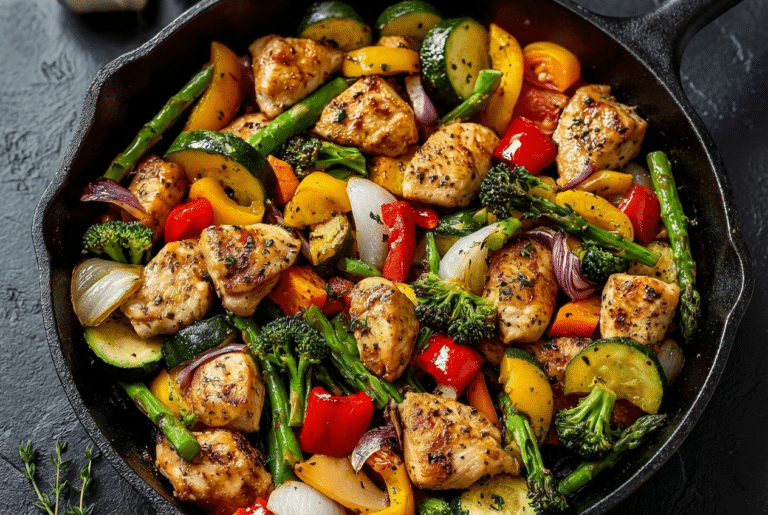
This is the definitive Spring Chicken Stir Fry with Snap Peas recipe. The sauce is a carefully calibrated blend of soy sauce, oyster sauce, fresh ginger, garlic, rice vinegar, honey, and sesame oil — balanced between savory, slightly sweet, and bright. The chicken is velveted and seared in batches to ensure a proper caramelized crust rather than steamed grey strips. The snap peas go in last and come out vivid and crisp. Finished with toasted sesame seeds and sliced scallions over steamed jasmine rice, this is spring dinner done right.
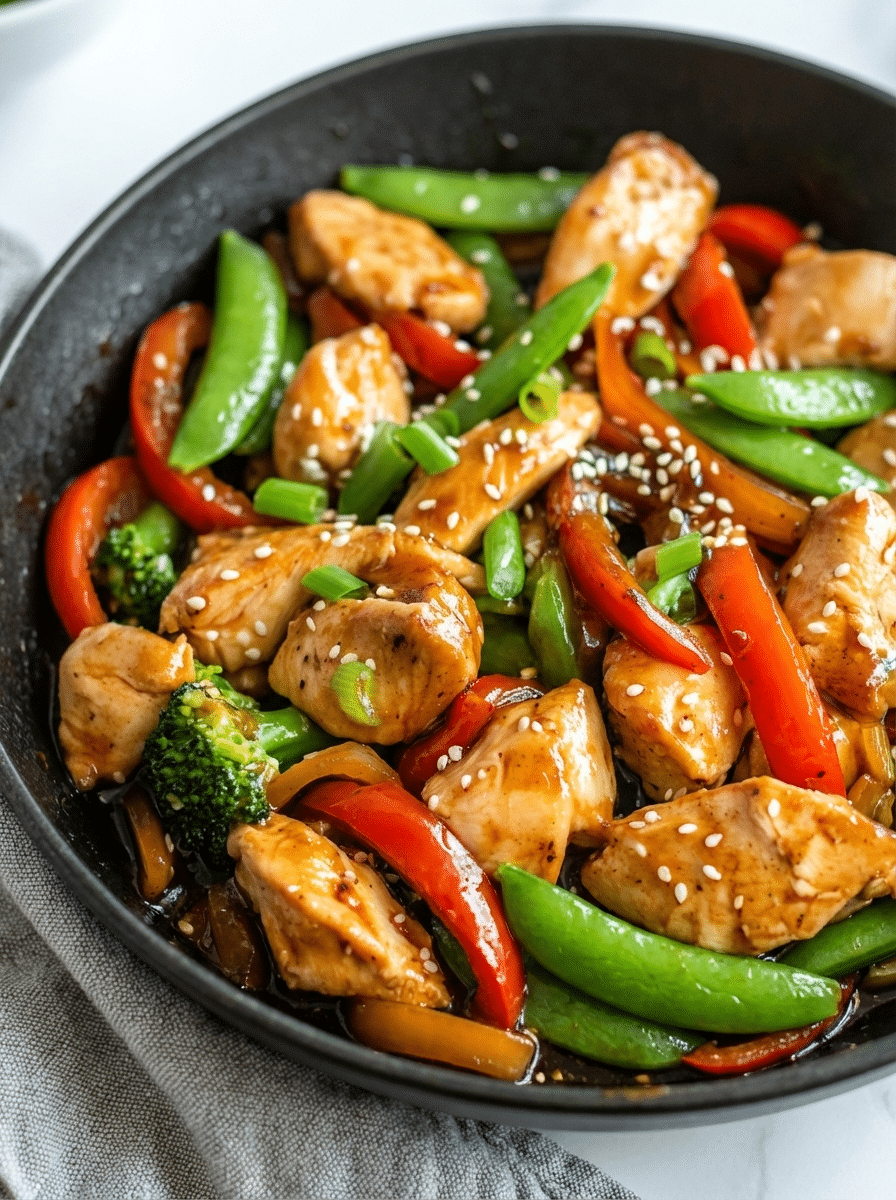
Spring Chicken Stir Fry with Snap Peas
Ingredients
- 1.5 lb boneless skinless chicken breast — sliced thin across the grain into strips
- 2 tbsp cornstarch
- 1 tbsp low-sodium soy sauce
- 1 tsp sesame oil
- ½ tsp white pepper
- 3 tbsp low-sodium soy sauce
- 2 tbsp oyster sauce
- 1 tbsp rice vinegar
- 1 tbsp honey
- 1 tsp sesame oil
- 1 tsp cornstarch — to thicken the sauce
- ¼ cup chicken broth or water
- 3 cups sugar snap peas — strings removed
- 1 medium red bell pepper — sliced into thin strips
- 4 cloves garlic — minced
- 1 tbsp fresh ginger — grated or very finely minced
- 4 stalks scallions — whites and greens separated, sliced
- 2 tbsp neutral oil — avocado, canola, or vegetable
- 2 cups steamed jasmine or brown rice
- 1 tbsp toasted sesame seeds
- 1 tsp chili flakes — optional, for heat
Instructions
-
1Velvet the chicken. In a medium bowl, combine sliced chicken strips with cornstarch, soy sauce, sesame oil, and white pepper. Toss thoroughly until every strip is evenly coated. Set aside for at least 10 minutes while you prep everything else. This cornstarch coating is what creates silky, restaurant-quality chicken texture.
-
2Mix the stir fry sauce. In a small bowl, whisk together soy sauce, oyster sauce, rice vinegar, honey, sesame oil, cornstarch, and chicken broth until the cornstarch is fully dissolved. No lumps. Set right next to the stove — in a stir fry, you’ll need to add it fast. Taste it: it should be salty, slightly sweet, and tangy.
-
3Get the pan ripping hot. Heat a large cast iron skillet, wok, or stainless steel pan over high heat for at least 2 minutes until very hot. Add 1 tablespoon of oil and swirl to coat. The oil should shimmer immediately — if it doesn’t, the pan isn’t hot enough. A properly hot pan is the single most important factor in a successful Spring Chicken Stir Fry with Snap Peas.
-
4Sear the chicken in batches. Add half the velveted chicken in a single layer. Do not stir immediately — let it sear undisturbed for 90 seconds until golden on the bottom. Stir and cook another minute until cooked through. Remove to a plate. Repeat with remaining chicken. Cooking in batches prevents steaming and ensures proper caramelization.
-
5Sauté the aromatics. Add the remaining tablespoon of oil. Add scallion whites, garlic, and ginger. Stir fry 30–45 seconds, moving constantly, until fragrant. Do not let the garlic brown — it should smell toasty and golden, not bitter. This step builds the aromatic base that ties the entire dish together.
-
6Add bell pepper and snap peas. Add bell pepper strips first and stir fry 1 minute. Then add snap peas and stir fry for 2 minutes — no more. The snap peas should turn vivid green and remain crisp with a satisfying crunch when you bite them. Overcooked snap peas are the most common mistake in this recipe; once they go dull, they’re gone.
-
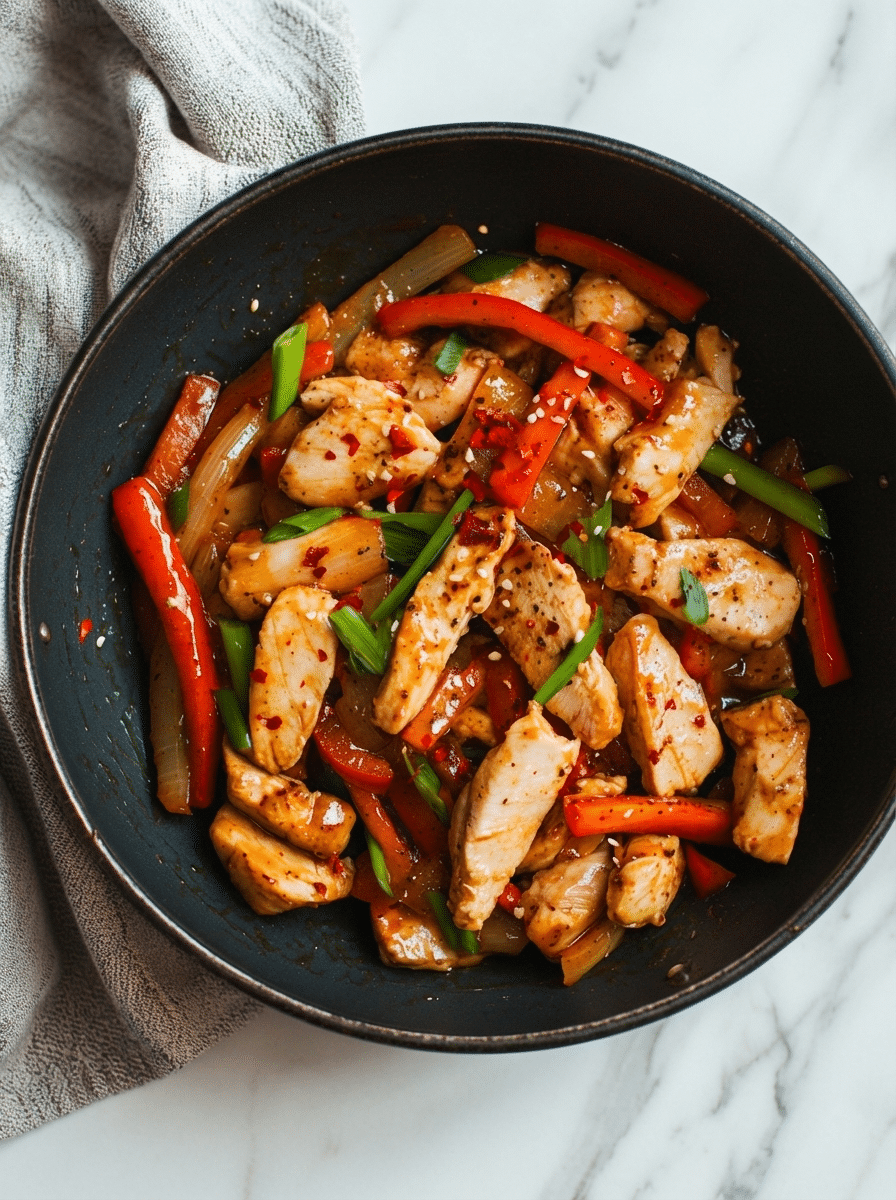
7Return chicken and add sauce. Return all the seared chicken to the pan. Give the sauce one more whisk (cornstarch settles) and pour it over everything. Toss and stir constantly for 60–90 seconds until the sauce thickens, turns glossy, and coats every piece. The entire pan should look lacquered and vibrant.
-
8Finish and serve immediately. Remove from heat. Add scallion greens and toss. Taste for seasoning — add a pinch of salt or a small splash more soy sauce if needed. Serve over steamed jasmine rice. Top with toasted sesame seeds and chili flakes if desired. The Spring Chicken Stir Fry with Snap Peas must be served immediately — it does not wait well on the stove.
Nutrition Per Serving
* Estimates based on USDA FoodData Central. Values vary by specific brands and ingredient quantities. Rice not included in calculation.
Chef Julia’s Pro Tips for the Perfect Spring Chicken Stir Fry with Snap Peas
The Pan Must Be Screaming Hot
Preheat your skillet or wok on high heat for at least 2 full minutes before adding oil. The pan should be hot enough to instantly shimmer the oil and smoke slightly. A cold pan produces steamed, grey chicken instead of seared, golden strips.
Slice Chicken Paper-Thin Against the Grain
Thin strips (about ¼ inch) cook in seconds and velvet beautifully. Always slice against the muscle fibers — it shortens them, making every bite tender. Slicing with the grain results in chewy, stringy pieces that no amount of velveting can fix.
Mise en Place is Non-Negotiable
A stir fry moves too fast to be chopping or measuring once the heat is on. Have every ingredient prepped, measured, and within arm’s reach of the stove before you light the burner. The entire active cook time is under 10 minutes — there’s no pause button.
Watch the Snap Peas Like a Hawk
The moment the snap peas turn vivid, brilliant green is the moment they’re perfect. That window is about 90 seconds to 2 minutes. Once they go army-drab and soft, the texture is gone and can’t be recovered. Err on the side of undercooking — they continue cooking from residual heat.
Separate Scallion Whites from Greens
The white parts of scallions are an aromatic — cook them with the garlic and ginger. The green tops are a garnish — add them off heat. This single step adds two distinct flavor layers and makes the finished dish look dramatically more professional.
Make Extra Sauce
The ginger-garlic stir fry sauce is good on everything — use it as a noodle sauce, a dipping sauce for dumplings, or a dressing for grain bowls. Double the sauce batch, store in a jar in the fridge for up to two weeks, and you have an instant weeknight flavor booster always on hand.
Common Mistakes That Ruin a Spring Chicken Stir Fry with Snap Peas
-
✗Crowding the pan with all the chicken at once✓ FIX: Adding too much chicken drops the pan temperature immediately and causes the chicken to steam in its own moisture rather than sear. Cook in two batches — smaller batches mean better caramelization, which is the flavor foundation of the whole dish.
-
✗Skipping the cornstarch in the marinade✓ FIX: The cornstarch is what creates the silky velveting effect. Without it, chicken strips cooked at high heat become tough and dry. Two tablespoons is all it takes — the difference in texture is immediate and dramatic.
-
✗Adding the snap peas too early✓ FIX: Snap peas that go in at the same time as the chicken will be grey, soft, and flavorless by the time everything else is done. Add them in the final 2 minutes — they need very little heat to cook and should retain a genuine bite.
-
✗Not whisking the sauce before adding it to the pan✓ FIX: Cornstarch settles to the bottom of the sauce mixture as it sits. If you pour it in without re-whisking, you get a lumpy sauce with an uneven texture and uneven thickening. Always whisk immediately before adding to the hot pan.
-
✗Using a non-stick pan that can’t handle high heat✓ FIX: Non-stick coatings degrade above 450°F — and a great stir fry requires temperatures above that. Use a cast iron skillet, carbon steel wok, or stainless steel pan that can handle screaming-hot heat without off-gassing or warping.
-
✗Letting the stir fry sit in the pan after cooking✓ FIX: A stir fry held in a hot pan continues cooking — the snap peas soften, the sauce over-reduces, and the chicken dries out. Pull it the moment everything looks glossy and vibrant. Plate immediately. The Spring Chicken Stir Fry with Snap Peas is a dish that rewards urgency.
14 More Spring Chicken Stir Fry with Snap Peas Variations to Build Your Rotation
The base Spring Chicken Stir Fry with Snap Peas is your template. These 14 variations swap proteins, sauces, or vegetables to keep your weekly dinner rotation genuinely exciting throughout spring and beyond.
For a complete picture of how to build balanced spring dinners around lean proteins and seasonal vegetables, the USDA’s nutrition resources provide evidence-based guidance on protein intake and vegetable variety. And if you’re building a full seasonal meal prep week around spring produce, our Spring Stir Fry Recipes guide covers everything from ginger shrimp to tofu with bok choy with a unified shopping list.
🐔 Chicken Sauce Variations
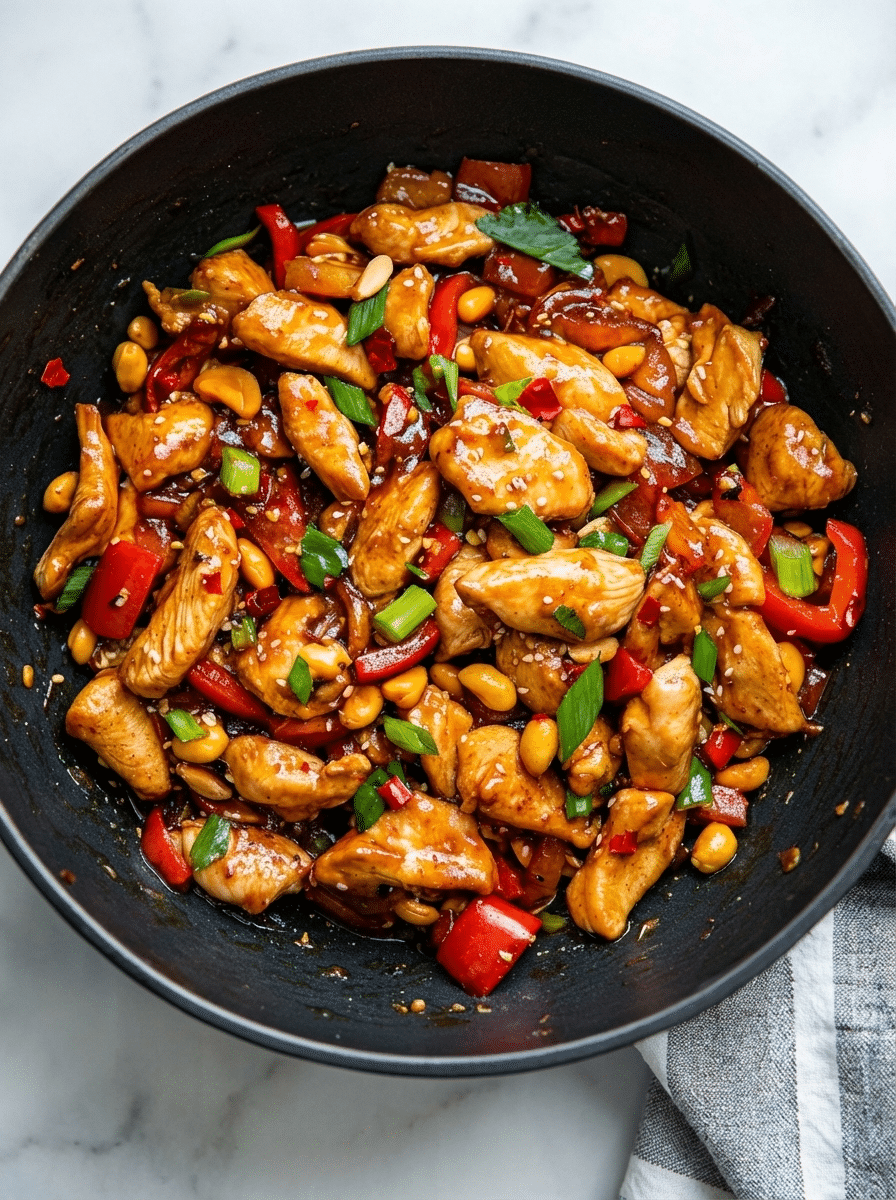
Replace the ginger-garlic sauce with a homemade teriyaki sauce (soy sauce, mirin, sake, honey, and a cornstarch slurry). The sweetness of teriyaki plays beautifully against the crunch of snap peas and creates a glossier, more lacquered finish. Add a tablespoon of toasted cashews per serving for textural contrast. This is the most approachable Spring Chicken Stir Fry with Snap Peas variation for households with kids or spice-averse guests.
Build the sauce around honey, garlic, and a touch of apple cider vinegar instead of rice vinegar — the result is slightly more caramelized and less acidic than the base recipe. Increase the garlic to 6 cloves (minced) and cook it 10 seconds longer to develop a deeper golden color before adding the snap peas. The caramelized honey-garlic base creates a thicker, stickier sauce that clings to the chicken strips beautifully.
Add 1 tablespoon Szechuan chili bean paste (doubanjiang) and ½ teaspoon Szechuan peppercorns (lightly toasted and crushed) to the sauce. These two ingredients together create the iconic ma la (numbing-spicy) flavor profile that defines Szechuan cooking. The snap peas are a perfect foil — their sweetness and crunch balance the intense heat. Serve over plain steamed rice without any garnish to let the sauce shine.
🥩 Red Meat & Alternative Proteins
Swap chicken for 1.5 lb flank steak, sliced paper-thin against the grain. Velvet the beef the same way as the chicken — cornstarch, soy sauce, sesame oil — but marinate for only 5 minutes (beef absorbs faster). The beef stir fries even faster than chicken: 60 seconds per batch maximum for medium. Use the exact same ginger-garlic sauce from the base Spring Chicken Stir Fry with Snap Peas — beef handles it beautifully.
Replace chicken with 1 lb large shrimp (peeled, deveined). Skip the velveting — shrimp don’t need it and are perfectly tender without cornstarch. Sear shrimp 60–90 seconds per side until just pink and curled. They overcook in seconds; pull them the moment the tails curl into a C shape. The snap peas and ginger-garlic sauce from the base recipe work identically here. Finish with lime zest for a brighter, more coastal finish.
🐟 Seafood Stir Fry Variations
Cut 1.5 lb salmon fillet into 1.5-inch cubes. Sear in a hot pan skin-side up for 2 minutes until golden, flip for 60 seconds. Remove immediately — salmon finishes cooking off heat. Swap the stir fry sauce for a miso-ginger version (white miso, ginger, rice vinegar, mirin, and sesame oil). The umami depth of miso against the sweetness of spring snap peas and the richness of salmon is one of the best flavor combinations in this entire list.
Use 1 lb large sea scallops, patted completely dry with paper towels. The dry surface is mandatory for a proper sear. Sear scallops in a very hot pan with neutral oil for exactly 90 seconds per side — do not touch them, do not move them. A proper sear gives you a golden, caramelized crust and a translucent, barely-set center. Add snap peas and sauce after removing scallops, then return them for the final 30 seconds.
🌱 Plant-Based Stir Fry Variations
Press extra-firm tofu for 20 minutes, cut into 1-inch cubes, toss with cornstarch, soy sauce, and garlic powder. Bake at 425°F for 25 minutes until deeply golden and crisp on all sides. The baked tofu mimics the texture of velveted chicken so closely that most people can’t tell the difference when it’s coated in the ginger-garlic sauce. Build the Spring Chicken Stir Fry with Snap Peas template exactly — just swap protein.
Replace chicken entirely with 2 cups shelled edamame and 1 cup firm silken tofu cubes. Both proteins absorb the ginger-garlic sauce beautifully without requiring high-heat searing. This is the fastest version in the lineup — no meat to cook means the whole dish comes together in under 15 minutes. Add sliced shiitake mushrooms for extra umami depth and a dramatic visual contrast against the vivid green snap peas.
🥚 Egg-Boosted Variations
After searing the chicken and before adding the snap peas, push everything to the side of the pan and crack 2 eggs directly into the hot center. Scramble them quickly with a spatula until just set — about 45 seconds. Then fold the eggs into the stir fry. The soft, barely-cooked egg enriches the sauce slightly and adds 12g protein across the entire batch. Topped with a soft-boiled egg per serving, this is the post-workout Spring Chicken Stir Fry with Snap Peas.
Use day-old rice (cold, refrigerated rice is mandatory — fresh rice is too wet). Stir fry chicken as in the base recipe. Add cold rice, pressing it against the hot pan in a thin layer for 2 minutes to develop a slightly crispy bottom crust. Crack in 2 eggs, scramble them into the rice, then add snap peas and stir fry sauce. The rice format extends the Spring Chicken Stir Fry with Snap Peas template into a complete one-pan dinner.
🌾 Carb-Modified Stir Fry Variations
Cook 8oz rice noodles according to package directions, drain, and rinse under cold water. After the stir fry is complete, toss the noodles directly into the pan with an extra tablespoon of sauce. The noodles absorb the ginger-garlic sauce and take on the flavor of the entire dish. Top with crushed roasted peanuts, fresh cilantro, and lime wedges. This version of the Spring Chicken Stir Fry with Snap Peas crosses into Pad Thai territory with remarkable ease.
Pulse cauliflower florets in a food processor until they resemble rice grains. Sauté cauliflower rice in a separate pan with a tablespoon of oil for 4 minutes until tender. Serve the complete Spring Chicken Stir Fry with Snap Peas over cauliflower rice instead of jasmine rice. Reduces net carbs by 38g per serving while keeping all the flavor and protein intact. Swap soy sauce for coconut aminos to make it fully Whole30-compliant.
Variations & Substitutions for Every Dietary Need
🌾 Gluten-Free
Swap soy sauce for tamari (certified GF) or coconut aminos. Replace oyster sauce with a GF certified brand or mushroom-based oyster sauce. All other ingredients in the Spring Chicken Stir Fry with Snap Peas are naturally gluten-free.
🌱 Paleo / Whole30
Use coconut aminos instead of soy sauce, arrowroot starch instead of cornstarch, and omit the oyster sauce (add 1 tsp fish sauce for umami depth). Use raw honey. The ginger-garlic profile of this stir fry is fully compliant with very minor swaps.
⚡ Lower Sodium
Use low-sodium soy sauce (or half-strength tamari diluted with water), halve the oyster sauce, and increase ginger and rice vinegar to compensate for flavor. Adding more fresh garlic and a squeeze of lime juice at the end makes up for reduced salt beautifully.
🐔 Chicken Thigh Option
Boneless skinless chicken thighs are fattier than breast, more forgiving of high heat, and harder to overcook. Use the same velveting technique — the thigh meat becomes even more succulent. Cook thigh strips 30 seconds longer per batch than breast strips.
🫛 No Snap Peas?
Sugar snap peas can be replaced with snow peas (similar texture, less sweet), asparagus tips (spring-perfect), broccoli florets (blanch first for 2 minutes), or edamame. Each creates a distinctly different Spring Chicken Stir Fry character while using the same base technique.
📦 Maximum Meal Prep
Double the batch. Store chicken, sauce, snap peas, and rice in separate containers. Reheat chicken and rice together in a hot pan with a splash of sauce for 3 minutes. Add fresh snap peas last — they take only 90 seconds to cook from cold. Four days of brilliant lunches, done.
Storage & Reheating Your Spring Chicken Stir Fry with Snap Peas
The Spring Chicken Stir Fry with Snap Peas stores beautifully as a meal prep dish when handled correctly. The primary challenge is the snap peas — they lose their crunch after refrigeration, which is why component storage is strongly recommended over storing the fully assembled dish.
Component storage (recommended): Store cooked chicken, rice, and sauce separately in airtight containers. Keep snap peas raw in a sealed bag. Each morning or evening, reheat chicken and rice in a hot pan with a splash of extra sauce, then add the snap peas for 90 seconds of fresh cooking. The result is a stir fry that tastes freshly made, because the snap peas genuinely are. Components last 4 days in the refrigerator.
Fully assembled storage: If you’ve already combined everything, store in an airtight container for up to 3 days. The snap peas will soften slightly — this is unavoidable. Reheat in a hot skillet rather than a microwave: 3–4 minutes over medium-high heat with a tablespoon of water or stock restores most of the sauce’s gloss and some of the vegetable texture. Microwaving creates steam that makes the snap peas soggy.
Freezing: The sauce and chicken freeze well for up to 3 months. Do not freeze the snap peas — they turn mushy when thawed. Freeze chicken and sauce together in freezer bags. Thaw overnight in the fridge. Cook fresh snap peas when ready to serve.
🥢 Make-Ahead Timeline for a Full Week of Spring Chicken Stir Fry with Snap Peas
Sunday (30 min): Velvet and cook 3 lbs chicken strips in batches. Make a triple batch of ginger-garlic stir fry sauce. Cook a large pot of jasmine rice. Trim and bag 6 cups of snap peas (keep raw). Store all components separately.
Each evening (8 min): Reheat chicken in a very hot pan 2 minutes. Add fresh snap peas and 3 tablespoons sauce. Toss 90 seconds. Serve over reheated rice.
Result: Four days of a brilliant Spring Chicken Stir Fry with Snap Peas that takes 8 minutes of active work per night and tastes genuinely fresh every single time.
Serving Suggestions for the Spring Chicken Stir Fry with Snap Peas
The Spring Chicken Stir Fry with Snap Peas is a complete, balanced meal on its own over steamed rice — 38g protein, 380 calories, and deeply satisfying. If you’re building a larger spring dinner spread, it pairs naturally with a simple miso soup (the dashi base echoes the umami of the stir fry sauce), steamed edamame with sea salt, or a light cucumber salad dressed with rice vinegar, sesame oil, and chili flakes.
For a family-style spread, serve the stir fry alongside steamed dumplings or spring rolls, keeping the rice as the neutral base that ties everything together. The ginger-garlic sauce doubles as an outstanding dipping sauce for both — pour a small bowl alongside the main dish.
When plating, transfer to a warm bowl (run it under hot water and dry it just before plating) — a warm bowl keeps the stir fry at the right temperature for longer. Pile the stir fry high in the center of the bowl rather than spreading it flat. A shower of sesame seeds, a few scallion greens, and a half-lime on the side completes the visual without any additional work.
Full Nutrition Breakdown — Spring Chicken Stir Fry with Snap Peas
The following values reflect one serving of Spring Chicken Stir Fry with Snap Peas as written: velveted chicken, snap peas, bell pepper, aromatics, and ginger-garlic sauce. Rice not included in base calculation — add 200 calories and 44g carbohydrates per cup of cooked jasmine rice.
| Nutrient | Per Serving (without rice) | % Daily Value |
|---|---|---|
| Protein | 38g | 76% |
| Calories | 380 kcal | 19% |
| Total Fat | 14g | 18% |
| Saturated Fat | 2.5g | 12% |
| Unsaturated Fat | 10g | — |
| Total Carbohydrates | 18g | 7% |
| Dietary Fiber | 4g | 14% |
| Total Sugars | 9g | — |
| Sodium | 680mg | 30% |
| Potassium | 820mg | 17% |
| Vitamin C | 78mg | 87% |
| Vitamin A | 640mcg | 71% |
| Iron | 2.2mg | 12% |
| Calcium | 56mg | 4% |
*Estimates calculated using USDA FoodData Central. Values vary based on specific brands and ingredient quantities used.
Frequently Asked Questions About Spring Chicken Stir Fry with Snap Peas

Your Spring Chicken Stir Fry with Snap Peas, Done Right
The Spring Chicken Stir Fry with Snap Peas proves that the best weeknight dinners don’t compromise on flavor to be fast. The velveted chicken is as tender as anything you’d get from a restaurant. The snap peas are vivid, snappy, and tasting of spring. The ginger-garlic sauce brings everything together with just enough heat, sweetness, and umami depth to make this a dish you’ll genuinely look forward to eating again. At 38g protein, 380 calories, and ready in 25 minutes, this is seasonal cooking at its most practical — and its most delicious. Make it once this spring, and it’ll earn a permanent spot in your weekly rotation.